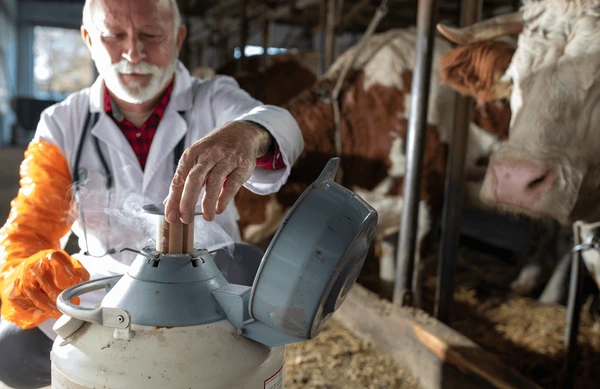
On a modern dairy farm, the most valuable animal in the barn might not even be there. She could be frozen in liquid nitrogen, cataloged in a database, and shipped across an ocean in a straw no bigger than a pencil. Artificial insemination has turned cattle breeding into a global enterprise, and genomics has accelerated it even further. The best bulls in the world can now influence herds on every continent within months of being identified.
That reach is powerful, but it comes with a catch. A bull that looks flawless on paper does not always deliver the same results everywhere. Fertility falters in hot climates. Longevity shifts with housing systems. Inbreeding sneaks up quietly as the same elite genetics are used again and again. This is where artificial intelligence has found its place in the breeding conversation. Not as a flashy replacement for human judgment, but as a tool that helps farms turn global genetics into local success.
The real story is not just about better bulls. It is about better matches.
It is easy to assume that genomics has erased geography. A genomic evaluation looks the same whether it comes from Wisconsin, the Netherlands, or southern Brazil. But cows still live in real places, and those places shape how genes perform. Heat stress changes how fertility expresses itself. Disease pressure varies from region to region. Feeding systems range from high-energy total mixed rations to pasture-based programs that reward entirely different strengths.
Genomics gives breeders a clearer picture of genetic potential, but it does not flatten those differences. Instead, it makes the contrast sharper. A bull that sires fertile daughters in a cool, high-input system may struggle when those same genetics meet humidity, parasites, or variable feed quality. AI-driven mate selection steps in at this intersection. It allows farms to tap into the global gene pool without pretending that all environments are the same.
For decades, dairy breeding followed a familiar rhythm. Find the top bulls, avoid obvious close relatives, and hope the genetics line up. That approach worked well enough when progress moved slowly and herds were smaller. Today, the speed of genetic change has turned that blunt approach into a liability.
Modern mate selection flips the question around. Instead of asking which bull is best overall, it asks which bull is best for this specific cow, on this farm, under these conditions. That shift sounds subtle, but it changes everything. Artificial intelligence does not replace genetic evaluations. It builds on them. Behind the scenes, algorithms evaluate genomic relationships, predicted fertility, health traits, and known genetic risks. They sort through countless possible pairings and return a mating plan that pushes progress forward while keeping inbreeding in check.
This is not about futuristic hype or black-box magic. It is about optimization. Quiet, relentless optimization that handles complexity far better than any human ever could.
Nowhere is that complexity more obvious than in fertility. Reproductive traits already have low heritability, which means progress slows and genetic mistakes compound quickly. Add environmental stress, and inbreeding depression can turn minor disadvantages into real economic losses. Genomic predictions for traits like daughter pregnancy rate have helped farms make better choices, but prediction alone does not guarantee success.
Two animals with solid fertility scores can still be a poor match if they share hidden genetic risks or come from heavily used families. AI-based mate selection looks beyond individual scores. It evaluates how genes interact and how related animals truly are at the DNA level. That capability matters most in regions that rely heavily on imported semen. When herds across continents draw from the same narrow slice of elite genetics, diversity can disappear faster than anyone expects.
Artificial insemination has become the most efficient engine of genetic progress the dairy industry has ever known. It is also one of the fastest ways to spread problems. Recessive fertility defects offer a cautionary example. A single popular sire can quietly distribute a harmful haplotype across borders long before anyone notices. Genomics makes those risks visible, but visibility alone does not prevent bad outcomes.
This is where AI earns its reputation as a safeguard rather than a threat. Mate selection systems can automatically block risky combinations while still allowing valuable genetics to be used safely. They can also encourage the use of less common sire lines that restore diversity without sacrificing performance. Over time, this approach slows the global rise in inbreeding and helps spread genetic opportunity more evenly across regions instead of concentrating it in a few genetic hotspots.
On the farm, all of this sophisticated technology boils down to a simple question on breeding day. Which straw goes in which cow. The difference today is that the answer is increasingly informed by data rather than instinct alone. Animals are genotyped early. Farms choose indexes that reflect their climate and management style. Mate selection software generates clear recommendations that technicians can follow with confidence.
In hot regions, those recommendations often lean harder on fertility and resilience. In high-production systems, they focus on balancing output with longevity. In emerging dairy industries, they help avoid genetic bottlenecks before they become permanent. Artificial insemination remains the physical act that moves genetics forward. AI ensures that act is intentional and sustainable.
This system is not without its challenges. Access to genotyping remains uneven around the world. Many regions still lack the phenotypic data needed to sharpen genomic predictions. There is also a risk that data-rich countries will continue to dominate genetic direction if global collaboration does not improve.
Trust is another hurdle. Algorithms can suggest matings, but people still have to believe in them. That belief grows when tools explain their recommendations clearly rather than hiding behind opaque logic.
The direction, however, is unmistakable. Genomics will continue to globalize dairy genetics. Artificial insemination will keep moving genes faster than ever. Artificial intelligence will increasingly act as the traffic controller, guiding those genes toward combinations that make sense for both cows and farms.
The most successful breeding programs of the future will be the ones that respect local realities while using global knowledge wisely. They will treat genetic diversity as a resource, not a constraint. And they will understand that the smartest mating decisions are not about chasing the hottest bull of the moment, but about building herds that thrive wherever they happen to live.
In the end, genomics tells us what is possible. AI helps decide what is practical. Artificial insemination turns those decisions into the next generation of cows.