Selling Dairy Heifers: Marketing Strategies and Pricing Best Practices
Maximize returns when selling dairy heifers with proven marketing strategies, pricing guidance, and buyer relationship management techniques.
# Selling Dairy Heifers: Marketing Strategies and Pricing Best Practices
Selling quality dairy heifers provides important revenue streams for dairy operations while managing herd size and genetics. Strategic marketing and accurate pricing maximize returns.
## Market Preparation
Proper documentation significantly impacts sale prices. Complete registration papers, genomic test results, and health records demonstrate animal quality and justify premium pricing. Digital passports consolidating all animal data increasingly influence buyer decisions.
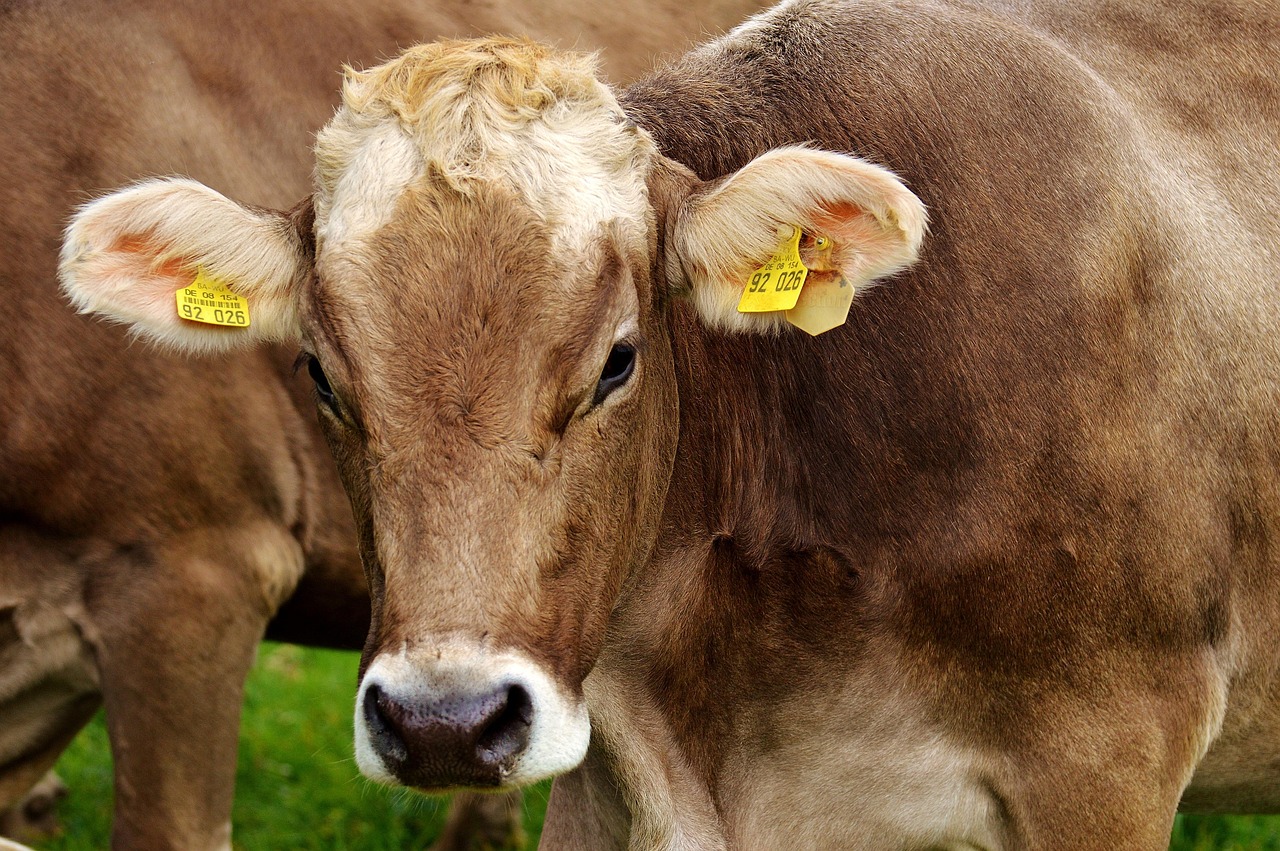
Physical presentation matters. Clean, well-groomed heifers photograph better and show more professionally. Buyers pay premiums for animals in proper body condition, neither too thin nor overly fat. Target body condition score 3.0-3.5 for breeding-age heifers.
Timing sales strategically improves returns. Spring and fall traditionally see strongest heifer demand as dairy operations plan breeding programs. Avoid flooding markets when many farms simultaneously sell excess animals.
## Pricing Strategies
Base pricing on current market conditions, animal quality, and genetic merit. Monitor livestock auction reports, online marketplaces, and direct sale advertisements to establish competitive baseline pricing. Premium genetics warrant 15-30% price increases over market averages.
Genomic-tested heifers command $300-800 premiums depending on test results and breed averages. Top 10% genomic rankings justify maximum premiums while average genetics sell near baseline pricing. Provide genomic reports with all marketed animals to substantiate pricing.
Registered animals typically bring $200-600 premiums over grade heifers of similar quality. Registration demonstrates verified pedigrees and allows buyers to continue registration programs. Include transfer paperwork costs in pricing or negotiate who covers transfer fees.
Pregnancy status significantly affects value. Open heifers ready for breeding sell at baseline pricing. Confirmed pregnant heifers warrant $300-600 premiums depending on gestation stage and sire quality. Fresh heifers command highest prices but require most investment before sale.
## Marketing Channels
Online livestock marketplaces reach national audiences efficiently. Platforms like Cattle USA, DairyMatched, and breed-specific websites connect sellers with qualified buyers. Professional photographs, complete information, and prompt communication separate successful listings from overlooked postings.
Local and regional auctions provide quick sales with immediate payment. However, auction fees typically run 3-5% of sale price and animals may sell below direct-sale values. Use auctions for cull animals or when immediate cash flow needs outweigh price optimization.
Direct farm sales to established customers build long-term relationships and often achieve best pricing. Repeat buyers familiar with your genetics and management pay premiums for known quality. Develop customer lists through networking at industry events and maintaining previous buyer relationships.
Consignment programs through heifer growers or breeding companies provide hands-off marketing. These intermediaries handle advertising, showing, and sales while taking 8-15% commissions. Best suited for high-volume sellers or premium genetics warranting professional marketing.
## Buyer Qualification
Screen potential buyers to ensure payment reliability and animal welfare. Request references from previous sellers or bank letters confirming financial capability for large purchases. Establish clear payment terms before finalizing sales.
Verify buyer biosecurity and animal care standards when possible. Farm visits or video walkthroughs demonstrate appropriate facilities and management. Reputable buyers maintain good animal welfare records and industry standing.
Require deposits for held animals or deferred delivery dates. Standard deposits run 10-20% of purchase price, refundable only if seller fails to deliver as promised. Document deposit terms clearly in writing.
## Sales Agreements
Written contracts protect both parties and prevent disputes. Include animal identification, price, payment terms, delivery arrangements, and health guarantees. Standard health guarantees cover 24-72 hours post-delivery for shipping stress issues.
Specify who handles transportation costs and arrangements. Buyer-arranged transport shifts liability but may delay pickup. Seller-arranged delivery allows controlled timing and handling but adds costs typically passed through pricing.
Address pregnancy guarantees for sold-pregnant heifers. Most agreements guarantee pregnancy 30-45 days post-sale with refund or replacement if animal proves open. Specify recheck timing and who pays veterinary costs.
## Volume Pricing
Multiple-head discounts encourage larger purchases but reduce per-head returns. Typical volume pricing offers 3-5% discounts for 5-10 head purchases, with larger discounts for 20+ head lots. Balance volume movement against per-animal profitability.
Package deals combining various age groups or genetic levels help move entire groups. Offer small discounts for buyers purchasing complete lots rather than cherry-picking top individuals. This strategy reduces inventory holding costs and management time.
## Record Keeping
Track all sales data for tax planning and market analysis. Document sale prices, buyer information, transaction dates, and associated costs. This information guides future pricing decisions and identifies most profitable marketing channels.
Maintain buyer contact information for repeat business opportunities. Follow up after sales to confirm animal satisfaction and address any concerns. Satisfied customers become repeat buyers and refer other potential customers.
## Common Pricing Mistakes
Avoid overpricing based on emotional attachment rather than market reality. Personal fondness for particular bloodlines or animals does not justify premium pricing unless backed by objective data like genomic tests or show records.
Underpricing due to impatience costs thousands in aggregate over time. Allow adequate marketing time for premium genetics to find appropriate buyers. Quick sales at discount prices leave significant money on the table.
Failing to present animals professionally limits sale prices regardless of genetic quality. Invest in good photography, complete documentation, and proper body condition. First impressions significantly influence buyer perceptions and offers.