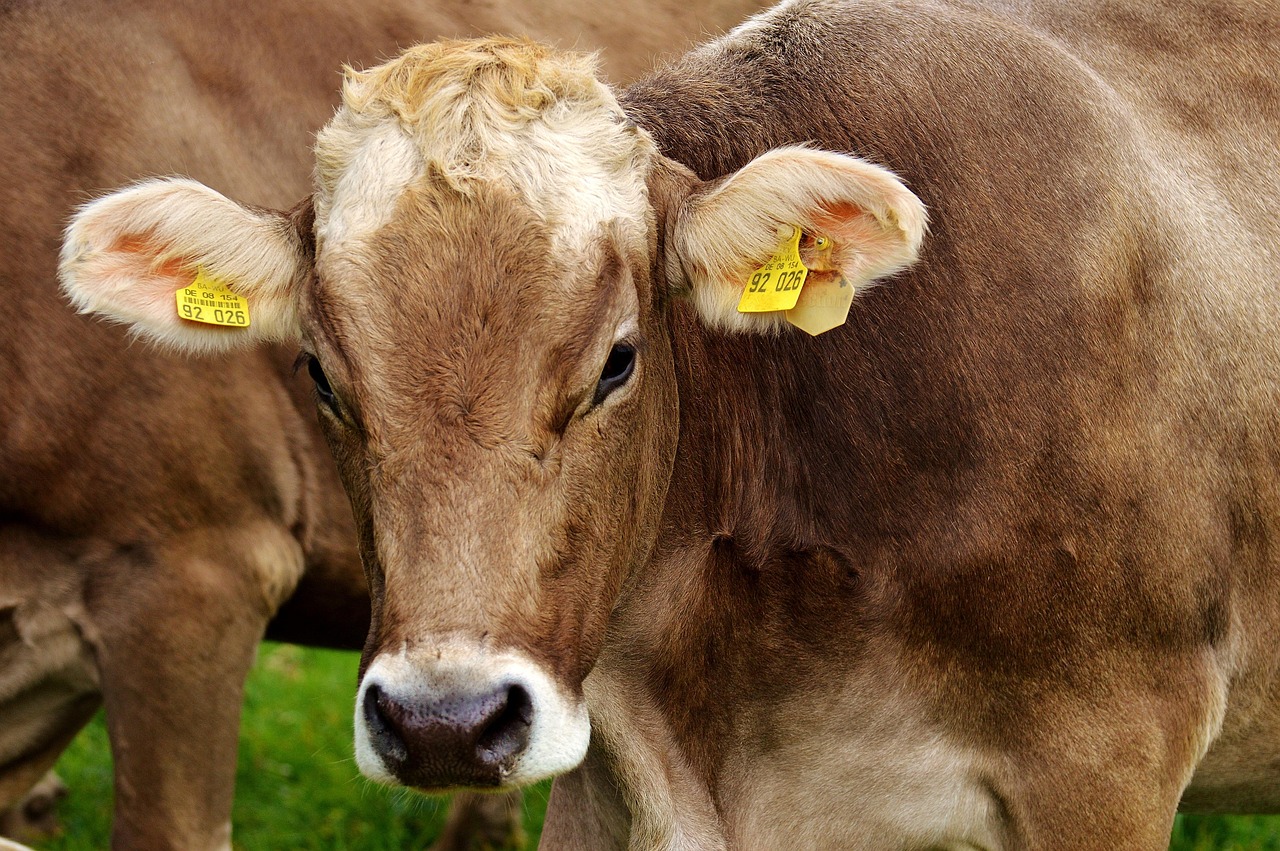
Spring Calving Season: Essential Preparation Checklist for Dairy Farmers
Get your dairy operation ready for spring calving with this comprehensive checklist. From facility prep to staff training, ensure a smooth and profitable season.
# Spring Calving Season: Essential Preparation Checklist for Dairy Farmers
Spring calving season is one of the busiest and most critical times on a dairy farm. Proper preparation can mean the difference between a smooth, profitable season and costly complications.
## 8 Weeks Before Calving Season
### Facility Inspection and Repairs
- **Calving pens**: Clean, disinfect, and repair any damaged gates or panels
- **Ventilation systems**: Test and clean all fans and air intake systems
- **Lighting**: Replace burned-out bulbs, add lighting where needed
- **Water systems**: Check heated waterers, repair any leaks
- **Bedding storage**: Ensure adequate supply of clean, dry bedding material
### Equipment Checklist
Essential equipment to have on hand:
- Calving chains and obstetrical equipment
- Calf warmers or heat lamps (for cold climates)
- Colostrum feeding equipment
- Navel iodine and disinfectants
- Digital thermometers
- Esophageal feeders
- Scale for weighing calves
## 4 Weeks Before Calving Season
### Staff Training and Protocols
- Review calving protocols with all staff
- Practice emergency procedures
- Assign calving check schedules
- Update contact lists for veterinarians
### Health Program Review
Work with your veterinarian to:
- Review vaccination protocols
- Ensure adequate supplies of vaccines and medications
- Plan for newborn calf health monitoring
- Schedule pre-calving herd health checks
### Record System Preparation
- Update cow cards with expected calving dates
- Prepare registration paperwork
- Set up digital passport accounts for new calves
- Review last year's calving data for insights
## 2 Weeks Before Calving Season
### Nutrition Management
- Transition dry cows to close-up ration
- Check body condition scores
- Monitor feed bunk management
- Ensure adequate mineral and vitamin supplementation
**Pro Tip**: Cows with BCS of 3.0-3.5 at calving have better reproductive performance and fewer metabolic issues.
### Colostrum Management
- Test and inventory frozen colostrum
- Verify refractometer calibration
- Review colostrum feeding protocols
- Train staff on colostrum quality testing
## First Week of Calving Season
### Daily Monitoring
- Check cows 3-4 times daily for signs of labor
- Monitor feed intake and body condition
- Watch for early signs of calving difficulty
- Record all calvings with detailed notes
### Newborn Calf Protocol
Within the first 4 hours:
1. Assess calf vigor and breathing
2. Dip navel in 7% iodine solution
3. Feed 4 quarts of high-quality colostrum
4. Assign RFID tag and record birth data
5. Move to clean, dry individual pen
## Technology Integration
Modern dairy operations use platforms like Therio to streamline calving season management:
- **Digital Passports**: Instantly create records for each newborn calf
- **Automated Workflows**: Trigger registration tasks automatically at birth
- **Mobile Apps**: Record calvings and health data from the barn
- **Alert Systems**: Get notifications for overdue calvings
## Common Calving Season Challenges
### Challenge #1: Metabolic Disorders
**Prevention**: Proper transition cow nutrition, monitor for milk fever signs
### Challenge #2: Dystocia (Difficult Calvings)
**Prevention**: Proper heifer breeding, don't delay intervention
### Challenge #3: Weak Calves
**Prevention**: Adequate colostrum intake, warm housing, monitor for scours
## Financial Considerations
Budget for spring calving season:
- Bedding: $15-20 per cow
- Colostrum replacer (backup): $30-40 per unit
- Vaccines and medications: $25-35 per calf
- Registration and testing: $50-75 per calf
- Labor (overtime): Variable by operation
**Total estimated cost**: $120-200 per calf born
## Conclusion
Spring calving season requires meticulous planning and preparation. By starting early, training staff thoroughly, and using modern tools to automate record-keeping, you can ensure a smooth calving season that sets your herd up for a productive lactation.