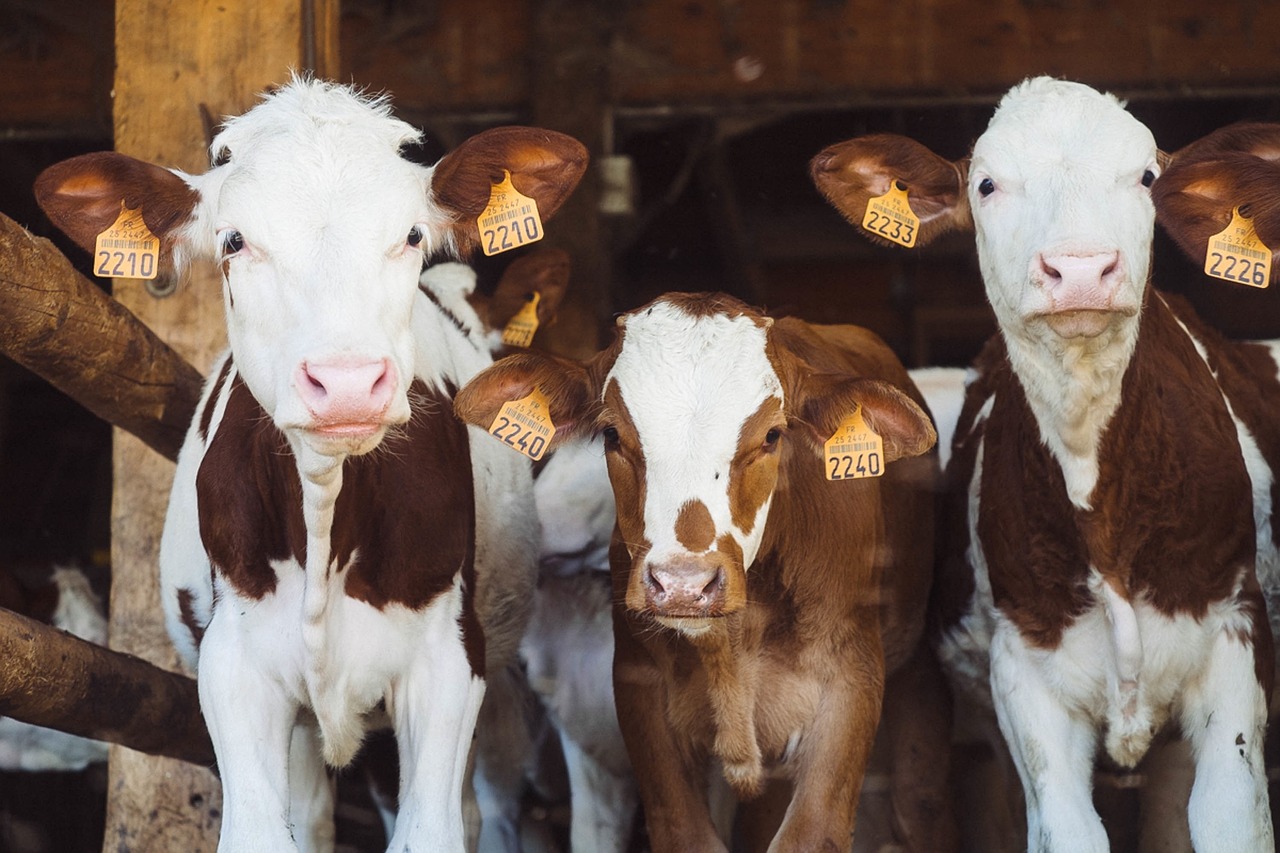
Complete Guide to Calf Registration: Step-by-Step Workflow
Learn the essential steps for registering newborn calves, from RFID tagging to breed association filing. A comprehensive workflow to ensure compliance and maximize value.
# Complete Guide to Calf Registration: Step-by-Step Workflow
Registering newborn calves is one of the most important tasks on a dairy farm. Proper registration ensures compliance with industry regulations, maintains accurate genetic records, and maximizes the animal's value for breeding or sale.
## Why Calf Registration Matters
* **Genetic Traceability**: Maintain accurate pedigree records for breeding decisions
* **Regulatory Compliance**: Meet USDA and state requirements for animal identification
* **Market Value**: Registered animals command premium prices
* **Herd Management**: Track health, production, and lineage data
## The Complete Registration Workflow
### Step 1: Record Birth Information (Day 0-1)
Within 24 hours of birth, document:
- Birth date and time
- Dam (mother) and sire (father) information
- Birth weight
- Gender
- Any distinguishing marks or characteristics
**Best Practice**: Use digital tools like Therio to immediately create the calf's digital passport, ensuring no data is lost.
### Step 2: Assign RFID Tag (Day 1-3)
Apply the official 840 RFID tag as soon as possible:
- Use USDA-approved 840 tags
- Record the tag number in your herd management system
- Take a photo of the tag for verification
- Ensure proper placement (left ear for dairy cattle)
**Common Mistake**: Delaying RFID tagging can lead to identification mix-ups. Tag early!
### Step 3: Breed Association Registration (Day 1-7)
For Holstein calves:
- Submit registration to Holstein Association within 7 days
- Include parent information and DNA if available
- Pay registration fees
- Receive official Holstein ID number
### Step 4: Order Genomics Testing (Day 7-14)
Genomic testing provides valuable breeding insights:
- Order CLARIFIDE or similar genomic test kit
- Collect DNA sample (hair or tissue)
- Submit to laboratory
- Receive genetic evaluations in 2-4 weeks
**ROI**: Genomics can identify top breeding candidates early, saving thousands in breeding decisions.
### Step 5: Government Filing (Day 7-30)
Complete required government registrations:
- USDA Animal Disease Traceability (ADT) reporting
- State agriculture department notifications
- Premises ID verification
### Step 6: Update Herd Management System (Ongoing)
Maintain current records in your HMS:
- Health events and treatments
- Weight measurements
- Breeding data
- Production records
## Streamlining the Process with Automation
Modern dairy farms use platforms like Therio to automate much of this workflow:
- **Digital Passports**: Centralize all animal data in one place
- **Connected Applications**: Automatically sync with breed associations and HMS
- **Automatic Actions**: Enable one-click registration with preferred vendors
- **Compliance Tracking**: Never miss a deadline
## Common Questions
**Q: How much does calf registration cost?**
A: Typical costs range from $25-75 depending on breed association and genomics testing.
**Q: What happens if I miss registration deadlines?**
A: Late registration may incur penalty fees or affect the animal's registration status with breed associations.
**Q: Is genomic testing required?**
A: No, but it's highly recommended for breeding stock as it provides valuable genetic insights.
## Conclusion
Proper calf registration is an investment in your herd's future. By following this workflow and using modern tools to automate the process, you can ensure compliance, maintain accurate records, and maximize the value of every animal born on your farm.