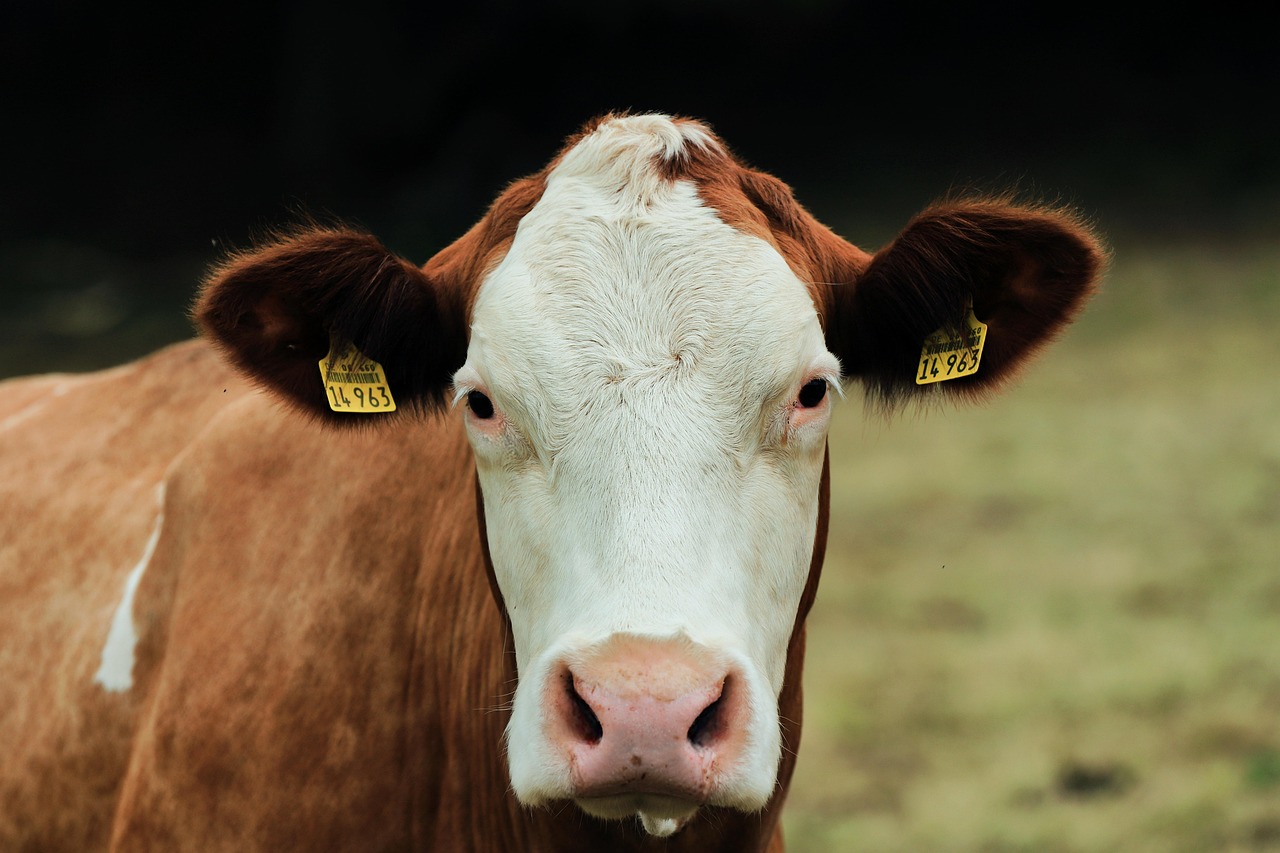
RFID Tag Requirements for Dairy Cattle: Complete 2025 Compliance Guide
Navigate federal and state RFID tagging requirements for dairy cattle. Complete guide to 840 tag specifications, compliance deadlines, and approved vendors for 2025.
# RFID Tag Requirements for Dairy Cattle: Complete 2025 Compliance Guide
Federal animal disease traceability requirements have made RFID tagging mandatory for most dairy cattle operations. Understanding these requirements protects your operation from fines, movement restrictions, and market access issues.

## Federal ADT Requirements
The USDA Animal Disease Traceability (ADT) program requires official identification for dairy cattle moving interstate. Since 2023, this means 840 RFID tags for most movements.
### What Triggers RFID Requirements
**Mandatory official identification:**
- Interstate movement for any purpose
- Change of ownership across state lines
- Exhibition animals (fairs, shows)
- Slaughter facilities accepting interstate animals
- Sales through interstate livestock markets
**Exemptions:**
- Intrastate movements (within same state)
- Direct to slaughter within 24 hours
- Animals under official quarantine restrictions
## 840 Tag Specifications
The "840" refers to the USA country code in the International Organization for Standardization (ISO) system. All RFID tags must meet specific technical standards.
### Technical Requirements
**Physical specifications:**
- ISO 11784/11785 compliant
- 134.2 kHz operating frequency
- 15-digit unique ID starting with 840
- Tamper-evident design
- Minimum 10-year functional life
**Approved formats:**
- Visual panel with printed 15-digit number
- Electronic transponder readable by ISO-compliant scanners
- Both electronic and visual components required
## State Variations
While federal rules set the baseline, several states impose stricter requirements. Check your state agriculture department for additional regulations.
### California Requirements
- RFID tags required for all cattle over 18 months
- Tags must be applied before first sale
- Premises registration mandatory
- Additional fees for tag distribution
### Wisconsin Standards
- Official ID required for all breeding cattle
- Tag application at birth recommended
- Herd inventory reporting quarterly
- Penalties for missing or illegible tags up to $500 per animal
### Texas Protocols
- RFID tags for all dairy cattle movements
- Brand inspection may still apply
- Combination programs allow dual identification
- Expedited processing for registered herds
## Approved Tag Manufacturers
The USDA maintains a list of approved tag manufacturers. Only purchase tags from authorized distributors to ensure compliance.
**Top manufacturers:**
1. **Allflex USA**
- Largest market share in North America
- Compatible with most herd management systems
- Warranty programs available
- Cost: $3.50 - $7.00 per tag
2. **Y-Tex Corporation**
- Budget-friendly options
- Good retention rates
- Smaller operations preference
- Cost: $2.75 - $5.50 per tag
3. **Destron Fearing**
- Premium durability
- Advanced tracking features
- Higher initial investment
- Cost: $5.00 - $9.00 per tag
4. **Ketchum Manufacturing**
- Traditional manufacturer
- Proven track record
- Basic functionality focus
- Cost: $3.00 - $6.00 per tag
## Tag Application Best Practices
Proper application prevents tag loss and ensures readability throughout the animal's life.
### Application Timing
- Birth to 7 days: Optimal for dairy calves
- Maximum: Before first movement or sale
- Earlier application improves retention
- Coordinate with other calf processing tasks
### Application Technique
**Left ear placement (dairy standard):**
1. Clean and dry the ear thoroughly
2. Position applicator between ear ribs
3. Apply firm, steady pressure (do not hesitate)
4. Check for complete closure
5. Verify tag number matches records immediately
**Common mistakes:**
- Applying tags to dirty or wet ears
- Placement too close to head (risk of snag)
- Incomplete closure leaving gap
- Failure to record number before applying next tag
## Record Keeping Requirements
Tag application is only the first step. Proper records prevent compliance headaches during inspections or animal movements.
### Minimum record requirements:
- Date of tag application
- Complete 15-digit tag number
- Animal birth date and description
- Dam information if available
- Current location and premises ID
### Electronic record keeping
Modern herd management systems automatically capture tag data when calves are scanned. This eliminates transcription errors and creates instant traceability records.
Platforms like Therio integrate directly with RFID readers to:
- Auto-populate digital passports at tagging
- Sync with breed registries and genomic labs
- Generate compliance reports instantly
- Track movements between locations
## Reader Equipment Requirements
To capture 840 tag data, you need ISO-compliant RFID readers. Equipment choice depends on operation size and scanning frequency.
### Handheld readers ($400 - $1,200)
- Portable battery-powered units
- Individual animal scanning
- Good for smaller operations
- Popular models: Allflex RS420, Shearwell Data Stick Reader
### Panel readers ($800 - $3,000)
- Fixed installation at chutes or gates
- Automatic scanning as animals pass
- Higher throughput applications
- Integration with sort gates possible
### Stick readers ($200 - $600)
- Wand-style manual scanning
- Lower cost entry point
- Suitable for occasional use
- Limited range and speed
## Penalties for Non-Compliance
USDA takes traceability requirements seriously. Violations can result in significant consequences beyond immediate fines.
**Potential penalties:**
- Movement restrictions preventing sales
- Fines up to $1,000 per violation
- Quarantine of entire premises
- Loss of market access
- Increased inspection frequency
- Legal liability in disease outbreaks
Most violations occur from inadequate record keeping rather than missing tags. Maintain complete, accurate records to protect your operation.
## Cost Considerations
Budget for both initial tagging and ongoing replacement. Tag loss rates vary but average 2-3% annually.
**Sample cost analysis (100-cow dairy with 50 calves per year):**
Initial setup:
- 150 tags at $5 each: $750
- Handheld reader: $800
- Tag applicator: $150
- **Total initial: $1,700**
Annual ongoing:
- 50 calf tags: $250
- Replacement tags (3%): $25
- **Annual cost: $275**
Most operations recover this cost through improved animal tracking, reduced identification errors, and faster processing during sales or movements.
## Future Regulatory Changes
The USDA continues refining traceability requirements. Stay informed about potential changes affecting your operation.
**Likely developments:**
- Extension to intrastate movements in some states
- Enhanced data reporting requirements
- Integration with blockchain verification systems
- Mandatory scanning at additional checkpoints
- Streamlined interstate movement certificates
Join state and national dairy organizations to receive regulatory updates and participate in policy development affecting your operation.
## Conclusion
RFID tag compliance is mandatory for modern dairy operations engaging in interstate commerce. Understanding requirements, choosing approved products, and maintaining accurate records prevents costly disruptions.
The one-time investment in proper equipment and procedures pays long-term dividends through smoother sales, reduced administrative burden, and peace of mind during inspections. Start with quality tags from approved manufacturers, train staff on proper application, and integrate tag data into your existing management systems for maximum efficiency.